

5 Signs You May Benefit from a Gait Analysis
Monday, July 20, 2026
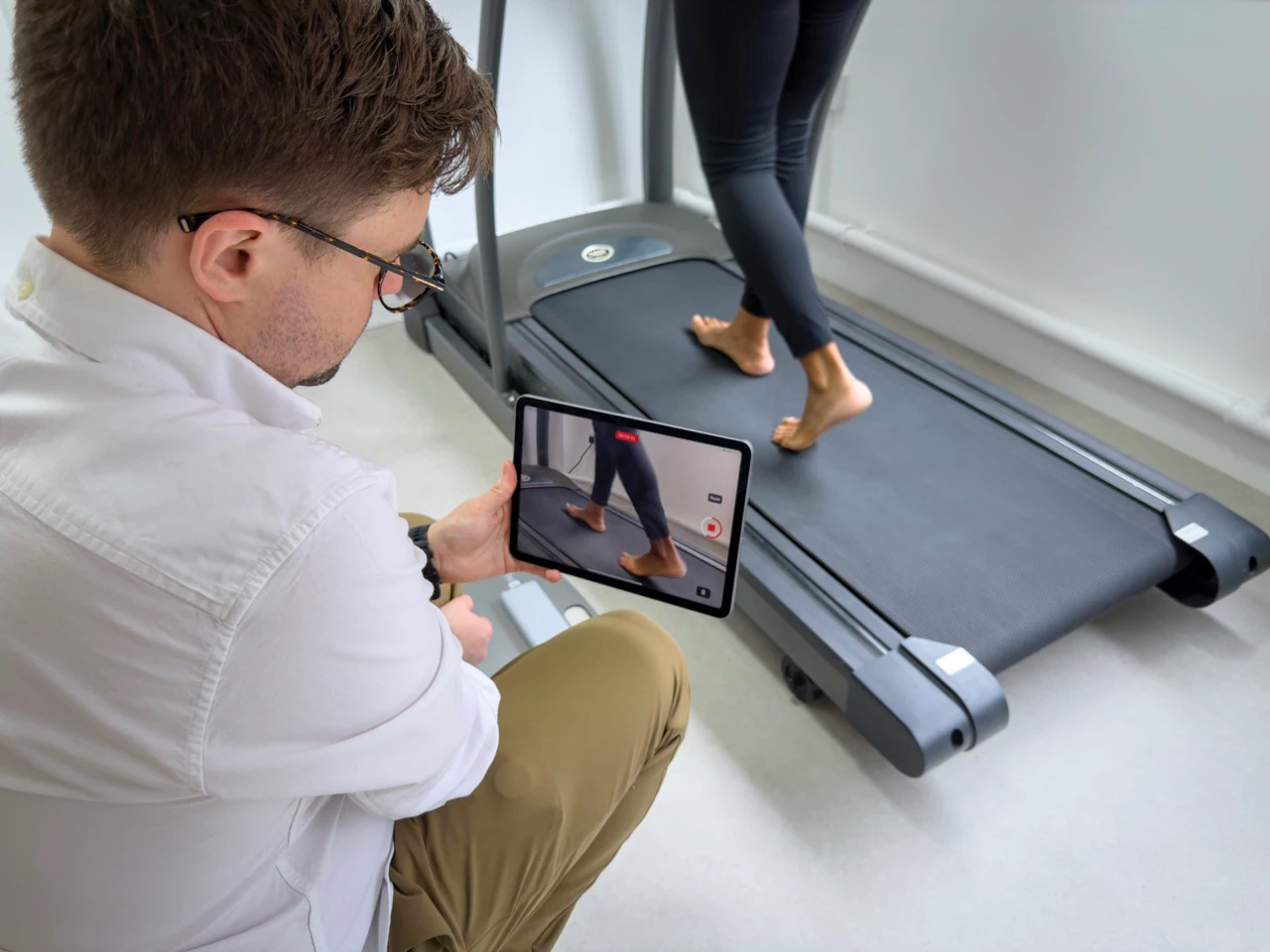
Have you noticed one shoe wearing out faster than the other, or pain that keeps returning no matter how much you rest? Small clues like these often point to something happening beneath the surface that is easy to dismiss until it becomes a bigger problem. Signs you need gait analysis are frequently hiding in everyday details that most people overlook entirely, from the angle your shoes wear down to the way your knee aches after a short walk. If any of this sounds familiar, these five signs will help you recognise when it is time to look more closely at how you actually move.
What Is a Gait Analysis?
A gait analysis is a professional assessment that studies the way a person walks or runs, examining how the foot strikes the ground, how weight transfers through the foot, and how the rest of the body moves in response. It is used to detect imbalances, misalignment, or abnormal pressure distribution that may not be obvious from a standard examination of the foot at rest. A full explanation of the process is covered in our gait analysis guide, but the key point here is that this type of assessment looks at movement as a whole rather than focusing on a single painful area in isolation.
Many of the signs covered below seem unconnected to each other at first glance, yet they often trace back to the same underlying movement pattern. Recognising them early gives you the chance to address the cause before it develops into a more persistent or complicated problem.
Sign 1: Persistent Foot or Heel Pain
Pain your foot that returns repeatedly, particularly after walking, standing or exercise, is one of the clearest indicators that something in your movement pattern needs a closer look. This differs from the occasional ache that follows an unusually long day on your feet, since that type of discomfort typically settles with rest and does not recur in a predictable pattern. Foot pain gait issues can present in many different ways, most commonly a dull ache in the heel first thing in the morning, which is a hallmark sign of plantar fasciitis, or a burning sensation across the ball of the foot that builds throughout the day.
The reason this type of pain tends to persist is that the underlying cause, often a specific loading pattern or structural imbalance, continues to exist even after the symptom temporarily eases. Treating the pain alone without identifying what is driving it usually leads to the same discomfort returning once the initial relief wears off.
Sign 2: Uneven Shoe Wear
Looking at the soles of a pair of well-worn shoes can reveal a surprising amount about how someone walks. Wear concentrated heavily on the inner edge of the sole often indicates overpronation, where the foot rolls inward excessively during the walking cycle, while wear on the outer edge can suggest the opposite pattern. Overpronation signs like this are easy to check at home and often go unnoticed simply because most people never think to compare the wear pattern between their left and right shoe.
A noticeable difference in how quickly one shoe wears down compared with the other is equally worth paying attention to, since it can indicate that one side of the body is bearing more load than the other during everyday movement. This kind of asymmetry rarely resolves on its own and tends to become more pronounced over time without some form of management.
Sign 3: Recurring Knee, Hip, or Back Pain
Pain that shows up in the knee, hip, or lower back without an obvious injury to explain it is frequently linked to how the feet function during walking or running. The foot forms the foundation for the rest of the lower limb, and a fault at ground level often travels upward, placing additional strain on the joints above. Someone dealing with recurring knee pain during exercise, for example, may be experiencing the downstream effect of a foot mechanics issue rather than a problem originating in the knee itself.
This connection is frequently missed because the pain is felt some distance from where the actual cause lies, leading people to focus treatment on the symptomatic joint rather than the movement pattern responsible for it. Addressing the foot mechanics in these cases often resolves pain that has not responded to treatment focused solely on the knee, hip, or back.
Sign 4: Frequent Injuries or Discomfort During Exercise
Recurring injuries that happen during running, sport, or regular exercise, particularly when they keep affecting the same area, often point to a movement inefficiency that repeats with every stride. Shin splints that return each time training resumes, persistent calf tightness, or discomfort that appears at a consistent point during a run are typical examples of running gait problems showing up through injury rather than obvious pain at rest. A single overuse injury can sometimes be attributed to bad luck or a sudden increase in activity, but a repeating pattern across multiple injuries usually indicates something more structural.
This pattern is particularly worth investigating in people who have made sensible adjustments such as reducing training load or changing footwear, yet still experience the same recurring problem. When standard precautions fail to resolve the issue, the underlying movement pattern itself is the more likely explanation.
Sign 5: Poor Posture or Walking Imbalance
Noticing that you lean to one side while walking, that your shoulders sit unevenly, or that you feel less stable on one leg than the other can all indicate an underlying gait imbalance. These signs are sometimes pointed out by other people before the person experiencing them becomes aware of it themselves, since postural habits can develop gradually and feel entirely normal to the person living with them.
Postural imbalance connected to gait does not only affect how someone looks when walking. Over time, it can contribute to muscle fatigue, joint strain, and compensatory patterns that make the original imbalance more deeply ingrained and more difficult to correct without professional input.
Why These Signs Should Not Be Ignored
Each of these signs on its own might seem minor enough to dismiss, but they share a common thread: they are all indicators of a movement pattern that places uneven or excessive strain on parts of the body not designed to handle it consistently. Left unaddressed, this strain tends to compound over time, gradually increasing the likelihood of more significant injury or chronic pain that is considerably harder to resolve than the original, milder symptom. The NHS's foot and joint pain advice resource notes that addressing movement-related discomfort early generally leads to better outcomes than waiting until the problem becomes severe.
Do I need gait analysis is a question worth asking as soon as one or more of these signs becomes a recurring pattern rather than an isolated occurrence. Early assessment gives a podiatrist the opportunity to identify and correct the issue before it has the chance to affect other parts of the body or develop into a more entrenched problem.
How Gait Analysis Identifies the Root Cause
A gait assessment works by observing how the body moves under real loading conditions, capturing details about foot strike, joint alignment, and pressure distribution that are simply not visible during a static examination. This is what allows a podiatrist to connect symptoms that might otherwise seem unrelated, such as heel pain and lower back discomfort, by identifying the single movement pattern responsible for both. The American Podiatric Medical Association's gait and foot health resource describes this kind of assessment as central to identifying biomechanical issues that contribute to pain across multiple areas of the body.
Rather than treating each symptom in isolation, this approach looks at the full picture of how someone moves, which is precisely why it can succeed where treatment focused on a single painful area has previously failed.
What Happens After a Gait Assessment?
Once the assessment is complete, the podiatrist explains what has been observed and how it relates to the symptoms that prompted the visit in the first place. Recommendations following this discussion vary depending on what has been found, ranging from specific exercises and footwear adjustments to a referral for custom orthotics designed to correct the particular pattern identified. Some cases require nothing more than a change in habitual footwear or a series of targeted exercises, while others benefit from a more involved intervention.
A follow-up review is often built into the process, allowing the podiatrist to confirm that the chosen approach is working as intended and to make adjustments if the initial recommendation has not fully resolved the symptoms. Healthline's walking and posture issues resource notes that ongoing review tends to produce better long-term results than a single intervention applied without any follow-up.
How Gait Analysis Can Prevent Future Problems
One of the most valuable aspects of gait analysis is its role in prevention rather than purely treatment after pain has already developed. Identifying a movement imbalance before it causes significant pain or injury allows corrective measures to be put in place while the issue is still relatively minor and easier to address. This is particularly relevant for people who are increasing their activity levels, whether through a new exercise routine or training for a specific event, since a previously minor inefficiency can become a significant problem once the body is placed under greater and more repetitive load.
Mayo Clinic's musculoskeletal health resource notes that addressing biomechanical issues proactively, rather than waiting for pain to develop, tends to reduce the likelihood of long-term joint and muscle problems. Viewed this way, gait analysis functions as much as a preventive tool as it does a diagnostic one.
Should You Get a Gait Analysis?
Recognising the signs covered in this guide, whether that is persistent foot pain, uneven shoe wear, recurring joint discomfort, frequent injuries, or a noticeable imbalance in posture, is the first step toward understanding what is actually happening when you walk or run. None of these signs need to be tolerated indefinitely, since a proper assessment can identify the specific cause behind them and guide an appropriate course of action. Biomechanical assessment signs like these are far easier to address when caught early, before compensatory patterns become more deeply established.
If one or more of these signs sounds familiar, a professional assessment offers a clear way to find out what is happening and what can be done about it. Book a professional gait analysis today to identify the root cause of your pain and improve your movement, posture, and foot pain treatment outcomes.